You've been counting down to this for months, maybe years. The move is planned, the lease is signed, and the distance is finally about to end. This should be the easy part, right?
Not exactly. Closing the distance in a relationship is one of the most celebrated moments in any LDR, and also one of the most disorienting. You've spent all this time mastering long distance, and now you have to unlearn most of it. The transition from LDR to living together is a bigger adjustment than most couples expect.
That doesn't mean something is wrong. It means the shift is real, and it deserves attention.

You've Been Living in Highlight Mode
Here's something nobody prepares you for: during long distance, your time together was special by default. Every visit was an event. You dressed up, went out, made plans. The ordinary parts of life, the chores, the tiredness, the mundane routines, were mostly handled separately.
Now you're sharing a kitchen. And a bathroom. And a Tuesday evening where neither of you has the energy to do anything. The transition from permanent excitement to regular life is jarring, even though it's what you've been wanting.
This adjustment is normal. You're not losing the spark. You're trading highlight reels for real life, which is where lasting relationships actually live. But give yourselves grace during the first few weeks. The recalibration takes time.
You Know Each Other Deeply but Not Daily
Long distance teaches you extraordinary emotional communication. You've shared fears, dreams, hard conversations, and honest reflections that many couples avoid for years. In many ways, you know each other better than partners who've lived together for a decade.
But you might not know their morning routine. Or how they load a dishwasher. Or what they're like when they've had a bad day at work and don't want to talk about it. Those daily-life details, the ones you navigate instinctively when you grow into a relationship locally, arrive all at once when you're moving in after long distance.
The gap between "I know your soul" and "I know you leave cabinet doors open" can feel strange. Be patient with each other. You're filling in the texture of a relationship that already has strong bones.
Have the Practical Conversations Before the Move
The romantic narrative around closing the distance makes it feel like logistics don't matter. "We'll figure it out once we're together." That's a recipe for tension.
Before the move, talk about the things that feel boring but end up mattering. How will you split expenses? Whose furniture stays? How much alone time do each of you need? Are you a "separate blankets" couple? What happens to your individual routines?
These aren't mood-killing questions. They're the foundation of a shared life. Couples who started their LDR with open expectations know this: the practical stuff, addressed early, prevents the emotional stuff from spiraling later.
You Might Miss Parts of the Distance
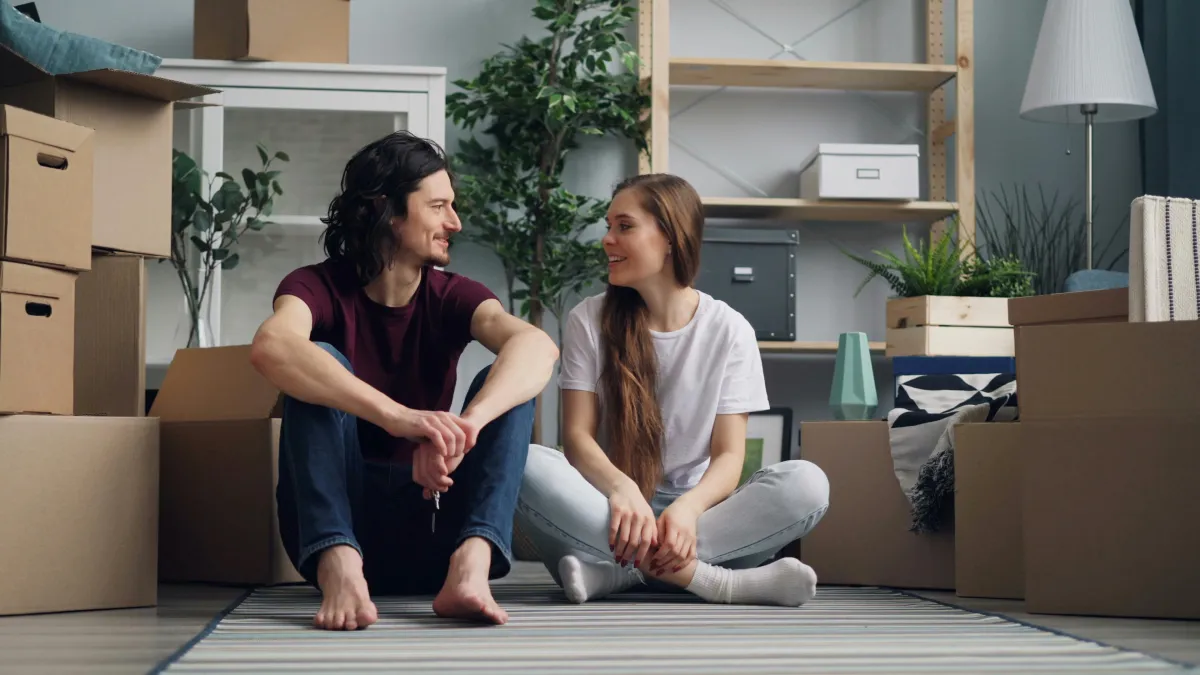
This one feels almost taboo to say. But some people, after closing the distance, quietly miss certain aspects of the LDR. The independence. The anticipation of visits. The space to be fully yourself without compromise.
That doesn't mean you made a mistake. It means you adapted to a lifestyle that, for all its difficulties, had some genuine advantages. The LDR version of your relationship was intentional, communicative, and appreciative of every shared moment. Some of those qualities require deliberate effort to maintain when you share a home.
Be honest if you feel this way. Your partner might feel it too. Acknowledging it openly keeps it from becoming a quiet resentment.
Keep the Habits That Carried You
One of the biggest mistakes couples make during the ending long distance relationship transition is abandoning every LDR habit overnight. "We don't need to send daily messages anymore, we live together now."
But some of those habits were doing more than bridging distance. They were building emotional intimacy. The daily thought you shared before bed, the check-in about how you're really feeling, the vulnerability that became a habit because the distance forced it. Those things are just as valuable when you're in the same room.
In fact, the hardest part of long distance can reappear in cohabitation if you stop being intentional. Proximity doesn't equal connection. You can live together and still drift.
Keep some version of your daily ritual. Maybe it changes form. Instead of a text, it's a conversation over dinner. Instead of a voice note, it's a moment before sleep where you share one honest thing. The habit matters more than the format.
Look Back at How Far You've Come
The transition to living together is a good time to look back. Not just at the relationship, but at the record you've built. If you kept a journal, saved messages, or documented your relationship's journey, revisit it during this phase.
Reading what you wrote six months ago, during the hard weeks, the lonely nights, the moments of doubt, puts the present in perspective. You got through all of that. And now you're here, arguing about whose turn it is to buy milk. That's not a downgrade. That's a victory.
The Distance Ends, the Relationship Doesn't
Closing the distance is a milestone, not a finish line. The relationship continues, just in a different mode. Be patient with the transition. Be honest about what feels strange. And keep doing the things that kept you close when you were far apart.
You didn't survive distance by accident. You did it through daily, intentional connection. Don't stop now.
That's the whole idea behind Sharing Me. A small app for the small things that actually matter.